
Private Client & Estate Planning
LPA Form 1 vs Form 2 in Singapore: Which Should You Choose?
Compare LPA Form 1 and Form 2 in Singapore, including powers, done arrangements, lawyer requirements and fees, to decide which suits your needs.
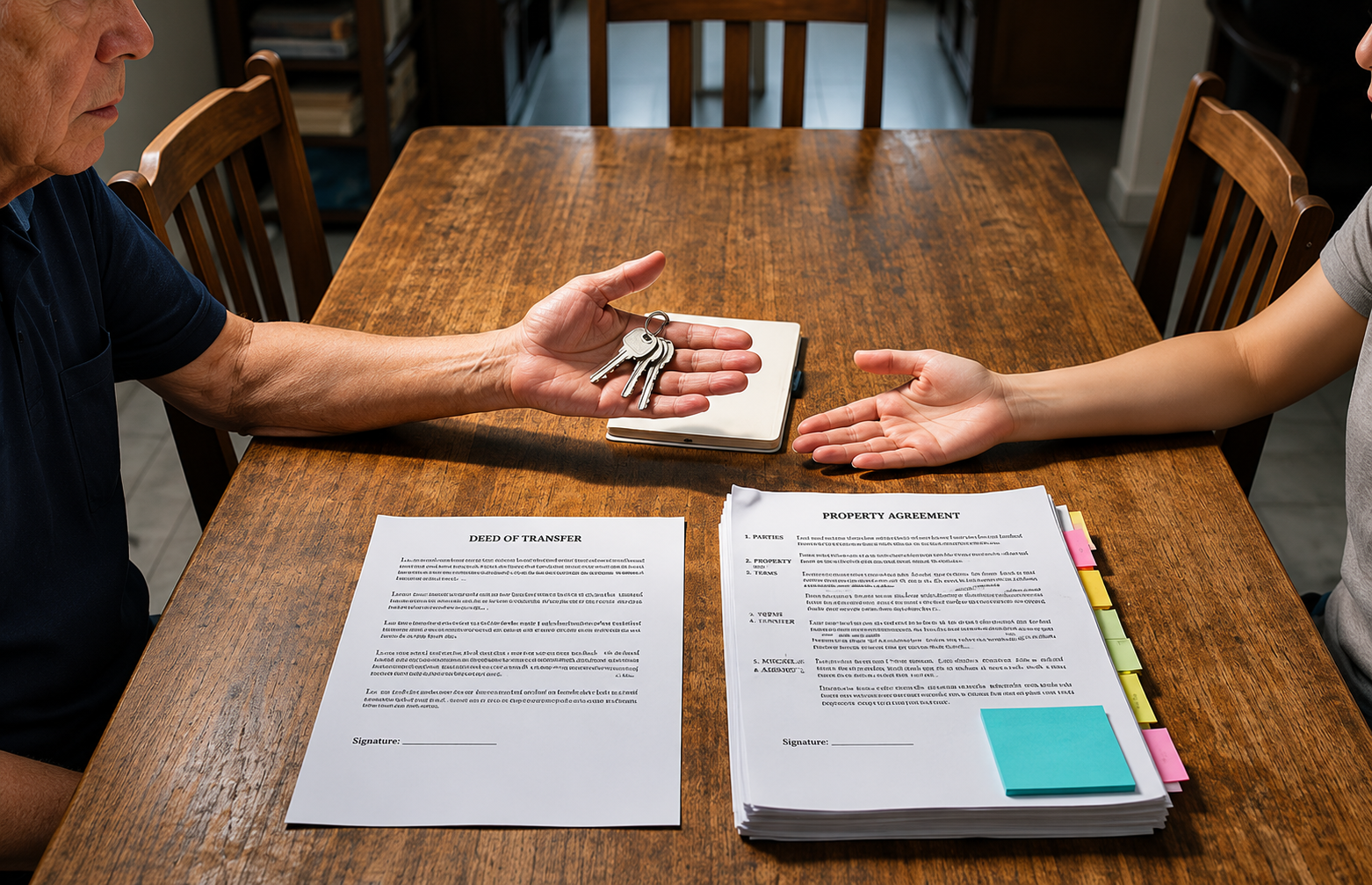
LPA Form 1 or Form 2: Which should you choose?
Short answer: LPA Form 1 generally suits people who want to grant standard powers to up to two donees, with one replacement donee. Consider Form 2 if you need more appointments or customised powers and restrictions that Form 1 cannot accommodate. Form 2 must be drafted by a Singapore solicitor qualified to practise Singapore law in a Singapore law practice.
Owning a business, having several properties or wanting different people to handle your care and finances does not automatically mean you need Form 2. The deciding question is whether the standard options meet your needs.
A Lasting Power of Attorney ("LPA") allows you, as the donor, to appoint trusted people called donees to make decisions on your behalf if you lose mental capacity to make those decisions. The powers may cover personal welfare, property and affairs, or both.
What is the difference between LPA Form 1 and Form 2?
The main difference is how much you can customise the appointments and powers.
Form 1 provides standard options for granting general powers, including basic conditions and restrictions. You can complete it yourself through the Office of the Public Guardian Online system, known as "OPGO".
Form 2 allows a lawyer to draft provisions around your particular circumstances. It is suitable where you want arrangements that the standard form cannot provide.
Both forms require certification by an eligible Certificate Issuer and registration with the Office of the Public Guardian ("OPG").
The main difference between LPA Form 1 and LPA Form 2 lies in the level of flexibility and customisation they offer. LPA Form 1 provides general powers through standard options, allowing applicants to appoint up to 2 donees and 1 replacement donee. It includes standard choices for conditions and restrictions and does not require a lawyer to draft the form. In contrast, LPA Form 2 allows for customised powers, additional appointments, more than 2 donees, and more than 1 replacement donee. It also permits individually drafted conditions and restrictions, subject to the law, but requires a lawyer to prepare the document.
Both forms require a Certificate Issuer and are submitted online through OPGO, although Form 2 involves lawyer drafting. For Singapore Citizens, the OPG application fee is free for Form 1, while Form 2 costs S$30. Generally, Form 1 is suitable for individuals whose arrangements can be covered by the standard options, whereas Form 2 is intended for those who require additional appointments or more tailored provisions.
The fees above are government application fees only. Certification and legal drafting fees are separate.
See MSF’s explanation of LPA powers and its guidance on Form 2 applications.
When is LPA Form 1 sufficient?
Form 1 may be suitable when:
- You want to appoint one or two trusted people.
- You need no more than one replacement donee.
- You are comfortable with the general powers and standard restrictions.
- You do not need specially drafted conditions for particular assets or decisions.
For example, a parent may want an adult daughter to manage both personal welfare and financial matters if the parent loses the relevant mental capacity. If the standard provisions reflect those wishes, Form 1 may be sufficient.
A couple planning together must each make their own LPA. They can discuss their preferences together, but each person’s appointments and instructions are separate.
Form 1 also allows you to select the type of powers given to each donee. Appointing one person for personal welfare and another for property and affairs does not, by itself, require Form 2.
When should you consider LPA Form 2?
Form 2 deserves consideration when your intended arrangements go beyond the standard choices.
You want more donees or replacement donees
If you want three children to hold appointments as donees, Form 1 will not accommodate that arrangement. Form 2 can provide for more than two donees or more than one replacement donee.
However, additional appointments can also mean more coordination. Consider whether each person has a clear role and whether the arrangements will remain workable.
You need specific restrictions or decision-making arrangements
You may want particular assets managed separately, or certain decisions subject to carefully defined conditions.
A lawyer can assess whether those wishes can be expressed lawfully and practically in Form 2. For example, requiring several approvals for every payment could delay ordinary living expenses or urgent care.
Customisation should help the donees act effectively while providing appropriate safeguards.
Your family or financial circumstances need closer coordination
Blended families, investment arrangements, trusts or potential disagreements may justify more detailed planning.
These circumstances do not automatically require Form 2. They are reasons to examine whether the standard form provides the authority and safeguards you want.
Do business owners need LPA Form 2?
Not automatically. The relevant question is what decisions may need to be made about your personal business interests if you lose mental capacity.
Your LPA may address authority over personal assets, including shares you own. However, it does not automatically allow a donee to take over your position as a company director.
Personal ownership rights and corporate responsibilities are different. Your planning should take account of:
- The company’s constitution.
- Any shareholders’ agreement.
- Existing management and signing arrangements.
- Business succession plans.
- The scope of authority granted under your LPA.
Form 1 may still be sufficient for some business owners. Form 2 may be appropriate where the standard powers do not address the intended arrangements.
Does owning several properties require Form 2?
No. The number or value of your properties does not automatically determine which form you need.
The more useful questions are whether you want particular properties treated differently, whether special restrictions are necessary, and whether your chosen donees can manage the arrangements effectively.
For overseas assets, check recognition requirements in the relevant jurisdiction. Do not assume that an overseas bank, land registry or other institution will automatically accept a Singapore LPA.
Jointly or jointly and severally: What is the difference?
Where more than one donee has authority over the same matters, how they act can be as important as whom you appoint.
Jointly means the donees must agree on the relevant decision. This provides shared oversight, but disagreement can prevent action.
Jointly and severally means the donees may act together or separately within their authority. This can make routine decisions easier, but one donee may act without the other’s agreement.
Consider their availability, relationship and ability to cooperate. Also consider what happens if someone can no longer act.
The OPGO Quick Reference Guide explains the standard appointment options.
How much do LPA Form 1 and Form 2 cost in Singapore?
The OPG application fees applicable from 1 May 2026 vary depending on the applicant's residency status and the type of LPA form submitted. Singapore Citizens can submit LPA Form 1 free of charge, while LPA Form 2 costs S$30. Singapore Permanent Residents are required to pay S$30 for either LPA Form 1 or Form 2. Foreigners must pay S$160 for either form.
These amounts cover the government application fee, not the entire cost of making an LPA.
For Form 1, a Certificate Issuer may charge a professional fee for certification.
For Form 2, you also need legal drafting services. The total professional fee will depend on the scope and complexity of the work. The drafting lawyer may also act as the Certificate Issuer if eligible.
Before proceeding, ask whether the quotation includes drafting, advice, certification, revisions and any applicable GST.
Refer to the official OPG LPA fees table for government charges.
Can you change from Form 1 to Form 2 later?
Yes, while you retain the mental capacity required to make the new arrangements. However, a registered Form 1 cannot simply be edited into Form 2.
Changing a registered LPA requires revoking the existing LPA and making a new one. The replacement LPA must go through the relevant drafting, certification and registration process.
Follow the current OPG procedure and discuss the timing with your lawyer, particularly where you want to avoid uncertainty about which arrangements apply.
See the government guidance on changing a registered LPA.
Five questions to ask before choosing an LPA form
- Who do I trust to act? Consider willingness, reliability and ability to carry out the responsibilities.
- What powers will they need? Decide whether the standard options cover the decisions you anticipate.
- How should multiple donees work together? Consider whether joint decisions will provide useful oversight or create delays.
- Do any assets need specific planning? Review business interests, overseas assets, properties and trust arrangements.
- What happens if a donee cannot continue? Consider replacement appointments and whether the plan will remain practical.
These questions help identify whether Form 1 is sufficient or whether Form 2 offers useful additional flexibility.
Frequently asked questions
Is LPA Form 2 better than Form 1?
Not necessarily. Form 2 allows more customisation, but Form 1 is suitable where its standard options meet your needs. More detailed drafting is useful only if it supports your intended arrangements.
Can I appoint three children under Form 1?
You can appoint two as donees and one as a replacement donee, but the replacement is not a third donee acting alongside the others from the outset. If you want all three to hold appointments as donees, consider Form 2.
Can different people handle my care and finances under Form 1?
Yes. Form 1 allows you to choose personal welfare powers, property and affairs powers, or both for each donee. More detailed divisions or restrictions may require Form 2.
Does Form 2 require a lawyer?
Yes. Its customised provisions must be drafted by a Singapore solicitor qualified to practise Singapore law in a Singapore law practice. Certification by an eligible Certificate Issuer is also required.
Is Form 1 completely free for Singapore Citizens?
The OPG application fee is free. Professional fees for certification or legal advice are separate.
Does an LPA replace my will?
No. An LPA addresses decision-making during your lifetime if you lose the relevant mental capacity. A will addresses the distribution of your estate after death.
How Equinix Law can assist
Equinix Law can review your proposed donee appointments, explain the effect of the powers you wish to grant and advise whether Form 1 meets your needs.
Where customised arrangements are appropriate, we can advise on Form 2 and how it fits with your personal, family and corporate affairs.
Contact Equinix Law to discuss which LPA form suits your circumstances.
This article provides general information on Singapore law as at 9 October 2026 and does not constitute legal advice. The suitability of an LPA depends on its terms and your circumstances.