
Corporate & Commercial
PSPM Act Registration in Singapore: Does Your Business Need It?
Does your business need PSPM registration in Singapore? Learn which dealers must register, the exemptions, fees and key compliance requirements.
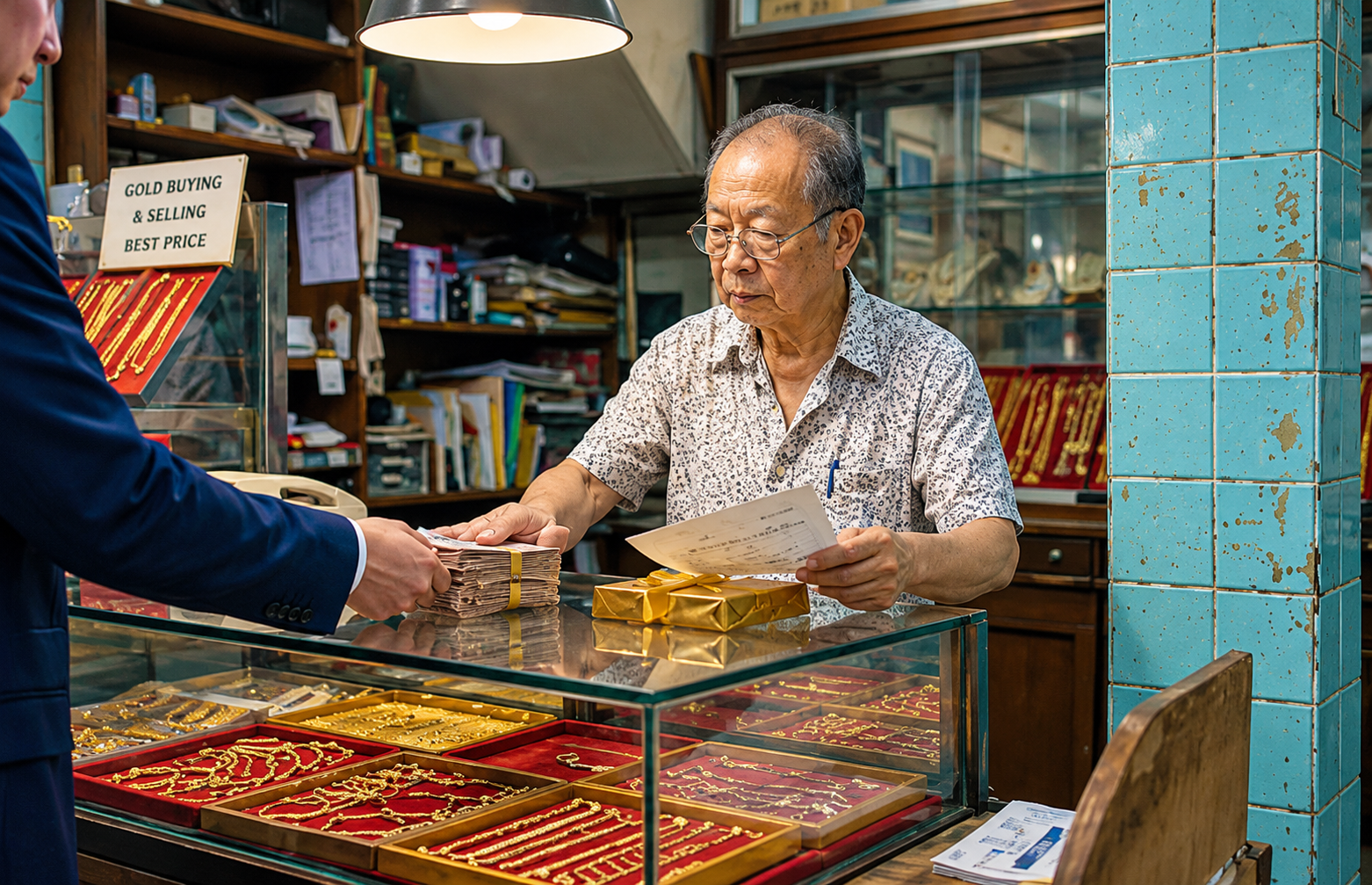
Does my business need to register under Singapore’s PSPM Act?
Your business generally needs to register if it carries on regulated dealing in Singapore or acts as an intermediary for regulated dealing, unless an exemption applies. The requirement depends on your activities and the goods involved, rather than whether you describe your business as a jeweller.
The rules can affect precious metals traders, jewellery retailers, certain watch dealers, manufacturers, importers, brokers and auction businesses.
Registration must be obtained before carrying on activities that require it. S$20,000 is not a general turnover threshold for registration.
Is PSPM registration the same as a licence?
The PSPM Act establishes a registration regime. The statutory requirement is registration as a registered dealer with the Registrar of Regulated Dealers.
The regime is administered by Singapore’s Ministry of Law. Although businesses sometimes search for a “PSPM licence”, the correct term under the Act is PSPM registration.
The legislation’s full title is the Precious Stones and Precious Metals (Prevention of Money Laundering, Terrorism Financing and Proliferation Financing) Act 2019.
What activities count as regulated dealing?
Under section 2 of the PSPM Act, regulated dealing includes:
- Manufacturing precious stones, precious metals or precious products.
- Importing or possessing these goods for sale.
- Selling or offering these goods for sale.
- Selling or redeeming asset-backed tokens.
- Purchasing precious stones, precious metals or precious products for resale.
The definition of a regulated dealer also covers a business acting as an intermediary for regulated dealing.
A broker, auctioneer, exchange or trading platform may therefore fall within the regime even if it never owns the goods. An agent or consignment business should assess its actual role against the statutory definition.
Buying goods solely for personal use does not, by itself, amount to carrying on a regulated dealing business. Repair-only services require a closer assessment if the work also involves manufacturing or selling covered goods.
Which precious stones and precious metals are covered?
Precious metals include:
- Gold and silver.
- Platinum and palladium.
- Iridium, osmium, rhodium and ruthenium.
- Alloys containing at least 2% by weight of any listed precious metal.
Precious stones, whether natural or otherwise, include:
- Diamonds.
- Sapphires and rubies.
- Emeralds.
- Jade, including nephrite and jadeite.
- Pearls.
Businesses should assess their actual product composition rather than rely solely on product names or marketing descriptions.
What is a precious product under the PSPM Act?
A precious product can include jewellery, a watch, apparel, an accessory, an ornament or another finished product.
The product must contain, be made up of, or have attached to it a precious stone or precious metal, and satisfy at least one of these conditions:
- At least 50% of its value is attributable to the precious stones or precious metals.
- Its net price exceeds S$20,000.
For example, a watch containing gold may qualify if its net price exceeds S$20,000, even where the gold accounts for less than half its value.
A high price alone does not make a product a precious product if it contains no precious stones or precious metals.
The Ministry of Law’s Guide for Foreign Dealers summarises these product tests.
Are any finished products excluded?
The Excluded Precious Products Regulations exclude:
- Machinery, tools and equipment used for industrial purposes.
- Medical devices falling within the relevant definition in the Health Products Act 2007.
These exclusions concern the finished products themselves. They do not automatically exempt every activity carried on by an industrial business or medical device manufacturer.
A business separately trading in raw precious metals, for example, should assess that activity independently.
Are asset-backed tokens covered?
Certain tokens, certificates and instruments backed by precious stones, precious metals or precious products fall within the Act where they entitle their holders to those underlying assets.
The statutory definition excludes specified categories governed by other legislation, including certain securities, derivatives contracts, commodity contracts and digital payment tokens.
Classification depends on the instrument’s legal features and holder rights, rather than its name alone.
Who is excluded or exempt from registration?
Pawnbrokers
Pawnbrokers are excluded from the PSPM Act’s definition of regulated dealer and are regulated separately under the Pawnbrokers Act 2015.
Qualifying financial institutions
Financial institutions covered by the Exempt Persons Order are exempt from the registration requirements and certain other PSPM obligations. Their applicable financial-sector obligations continue to require separate consideration.
Qualifying foreign dealers operating temporarily in Singapore
A qualifying foreign dealer carrying on business in Singapore for no more than 90 days in total in a year may be exempt from registration.
The definition includes conditions concerning overseas incorporation, registration or habitual residence, and the absence of a Singapore permanent establishment, place of management or branch at which regulated dealing is conducted.
The 90-day test is a cumulative annual limit. It is not a separate allowance for each exhibition or visit.
Do exempt foreign dealers still have compliance obligations?
Yes. Exemption from registration does not remove all PSPM compliance obligations.
Qualifying foreign dealers operating temporarily in Singapore remain subject to applicable transaction-based requirements, including:
- Customer due diligence.
- Record-keeping.
- Cash transaction reporting.
- Suspicious transaction reporting.
- Applicable targeted financial sanctions requirements.
An overseas dealer attending a short Singapore trade fair may therefore be exempt from registration while still needing procedures to comply with these requirements.
Refer to the Ministry of Law’s foreign-dealer exemption guidance when assessing your position.
How much does PSPM registration cost?
MinLaw’s published registration framework provides for:
- New application fee: S$120.
- Class A registration: S$250 per outlet annually.
- Class B registration: S$350 per outlet annually.
Class A is subject to a condition that the net price of every covered item sold or to be sold is less than S$2,000 per piece.
Class B permits sales of covered items of any value.
An item priced at exactly S$2,000 does not satisfy the Class A requirement that the price be less than S$2,000.
For example, Class B registration for two outlets would cost S$700 annually, excluding the new application fee where applicable.
MinLaw’s published framework provides for annual renewal. Check the current registration tiers and renewal information and the conditions in your approval before applying or renewing.
How do businesses apply for PSPM registration?
Review the Ministry of Law’s registration process overview and follow the applicable GoBusiness application process.
Before submitting, prepare accurate information about:
- The business and its regulated dealing activities.
- Its ownership and relevant key personnel.
- Its proposed places of business.
- The appropriate registration class.
- The supporting documents and declarations requested.
The Registrar may consider whether the applicant and relevant individuals are fit and proper persons. Incomplete, materially false or misleading information can affect the application.
Allow time for assessment and any requests for further information. Submitting an application does not itself authorise activities requiring registration.
What is the penalty for dealing without registration?
Under section 6(2), acting as or holding out to be a regulated dealer without the required registration can result in:
- A fine of up to S$75,000.
- Imprisonment for up to three years.
- Both a fine and imprisonment.
For a continuing offence, a further fine of up to S$7,500 for every day or part of a day may apply while the offence continues after conviction.
The Ministry of Law publishes these penalties in its PSPM offences and breaches guidance.
Frequently asked questions
Does a watch dealer need PSPM registration?
A business dealing in watches that qualify as precious products generally needs registration unless exempt. The watches must contain precious stones or metals and meet either the 50%-of-value test or the net-price test above S$20,000.
Do online sellers and brokers need to register?
They may. Online selling does not, by itself, avoid the regime. Businesses selling covered goods or acting as intermediaries should assess their activities against the same statutory definitions.
Do I need to register if I only buy precious metals?
Purchasing for resale is regulated dealing when carried on as a business. Buying solely for personal use or investment without a resale purpose is different, but the actual business model and conduct matter.
Is S$20,000 the minimum turnover for registration?
No. Registration is based on regulated business activity. The S$20,000 figure appears in the precious-product price test and separately in designated cash or cash-equivalent transaction rules. Neither creates a general turnover exemption.
Does accepting only bank transfers remove the registration requirement?
No. Payment method does not determine whether your business must register. Registration requirements and transaction-specific reporting obligations are separate questions.
Does registration mean the business has completed all its compliance requirements?
No. Registered dealers must also comply with applicable ongoing requirements. These may include customer checks, records, reporting, internal controls and registration conditions. MinLaw’s Guidelines for Regulated Dealers explain the wider framework.
What should your business do before starting regulated dealing?
Assess the goods involved, the activities your business will perform and whether a specific exemption applies.
Where registration is required, obtain it before commencing regulated dealing or holding the business out as a regulated dealer. Put the applicable compliance procedures in place alongside the registration process.
The central question is what your business does and what it deals in. Its industry label, sales channel or preferred payment method does not settle the registration question.
This article provides general information only and does not constitute legal advice. Requirements, fees and administrative procedures may change. Obtain advice on your business’s circumstances and check the latest official guidance before acting.
Sources
- PSPM Act 2019 — Singapore Statutes Online
- Ministry of Law — Regulatory Regime
- Excluded Precious Products Regulations 2019
- Ministry of Law — Guide for Foreign Dealers
- Ministry of Law — Foreign Dealer Registration Exemption
- Ministry of Law — Registration Process Overview
- Ministry of Law — Registration Renewal and Fees
- Ministry of Law — PSPM Offences and Penalties
- Ministry of Law — Guidelines for Regulated Dealers